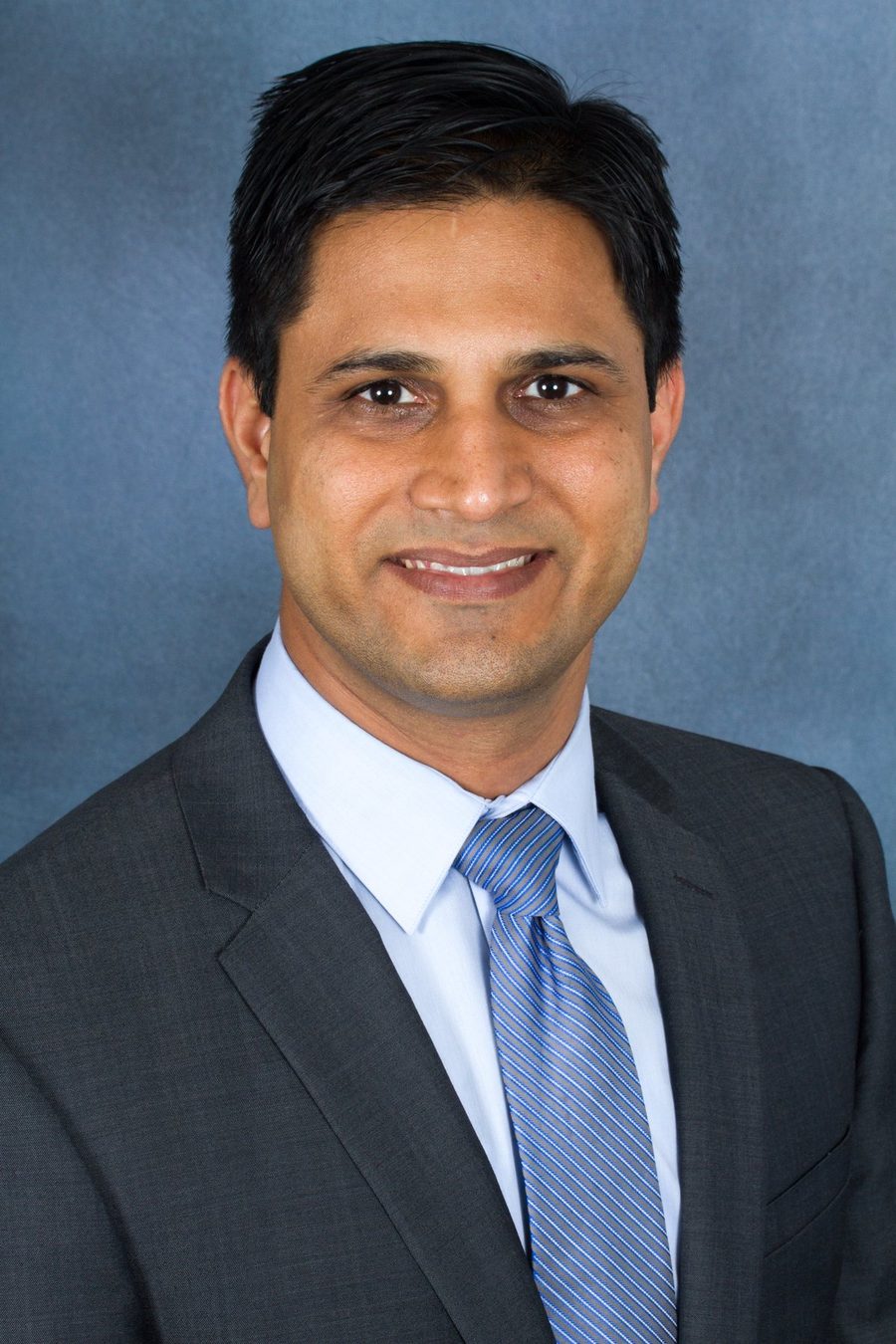
I'm a fellowship-trained colorectal surgeon — and a striking share of the "hemorrhoids" referred to me turn out to be something else: a fissure, a fistula, occasionally a cancer. No search engine or chatbot can examine you, and in this specialty the most expensive mistake is waiting. Here, evidence decides: accurate diagnosis first, timely treatment when you need it, straight answers either way — and screening colonoscopies to keep you off the operating table entirely.
Now accepting new patients · Colorectal Surgery · GI Surgery — operating across Westchester & Fairfield County
The tract, end to end — roughly thirty feet of you.
Sound familiar?Blood on the paperBloatingPain down thereCan't goHave to go nowHeartburnDue for a colonoscopySomething feels off
Half of my patients waited months to say these words out loud. You don't have to say them yet — start by understanding them.
Conditions & procedures
What I treat — from office visit to operating room.
Not just hemorrhoids. Tap any condition for a plain-English explanation: what it is, how it's treated, and when to be seen.
Anorectal
Hemorrhoids
Swollen blood-vessel cushions at the anus — bleeding on the paper, itching, a bulge. Step one is confirming they're actually hemorrhoids, because fissures, warts, and occasionally cancers wear the same costume.
Then treatment matches the stage: fiber, water, and better toilet habits settle most. Persistent internal hemorrhoids respond to quick, office-based rubber-band ligation. Surgery is reserved for the few that are large, prolapsing, or resistant — done well, once, when it's truly indicated.
A small tear in the anal lining — classically a sharp, cutting pain during bowel movements with bright-red blood, and one of the conditions most often mislabeled "hemorrhoids."
Most heal with stool softening and a prescription relaxing ointment. Chronic fissures respond to Botox or a brief operation (lateral internal sphincterotomy) with cure rates above ninety percent. Pain with every bowel movement is not something to live with — it's usually very fixable.
A tunnel between an infected anal gland and the skin — recurring drainage, swelling, or an abscess that keeps coming back. Fistulas almost never heal on their own.
Surgery is matched to the anatomy: simple tracts are laid open and heal reliably; complex ones get sphincter-protecting techniques — seton, LIFT, or advancement flap — so the problem is cured without trading it for a control problem. Mapping the tract correctly is most of the battle.
An infected gland forming a painful collection — throbbing pain, a tender swelling, sometimes fever. This one is time-sensitive: it needs prompt drainage, and antibiotics alone rarely cure it.
Delay lets infection spread; drainage brings relief within a day. Because roughly a third later declare a fistula, follow-up is part of the treatment, not an afterthought. Same-week problem, not same-month.
A tender lump, drainage, or recurring infection in the crease above the tailbone — most common in younger patients, and often endured for years out of embarrassment. It isn't a hygiene failure; it's trapped hair and debris creating tunnels under the skin.
An acute abscess needs simple drainage. For disease that keeps coming back, the honest conversation is about options: minimal pit-picking procedures for limited disease, more definitive excision for extensive tracks — matched to your anatomy and your tolerance for downtime, because bigger surgery is not automatically better here.
Growths caused by HPV — small bumps, itching, occasional spotting. Treated discreetly and without judgment, in the office or operating room depending on extent.
Because the virus persists in surrounding skin, recurrence is common — surveillance is built into the plan, including monitoring for precancerous change with higher-risk strains. Earlier is easier, and nothing you show me will be new to me.
Common, usually benign — but "usual" is not a diagnosis. The cause matters: diet and medications, a slow-moving colon, or a pelvic-floor problem where the muscles won't coordinate the exit.
Treatment follows the cause — fiber and fluids done properly, targeted medication, pelvic-floor therapy when the mechanics are the issue — and colonoscopy when alarm signs demand it: bleeding, weight loss, or a new change in habits, especially after 45. New or worsening constipation gets evaluated, not tolerated.
The rare test that prevents the disease it screens for: precancerous polyps are found and removed in the same visit, before they become anything worse. Average-risk screening starts at 45 — earlier with a family history.
It's also the definitive diagnostic answer for bleeding, unexplained anemia, or a changed bowel habit — with polyp removal and other treatment done during the same exam. Careful prep guidance, an unhurried exam, and results explained in plain English.
A slim camera examines the esophagus, stomach, and duodenum in a brief, sedated outpatient exam. It's the right test for heartburn that persists despite treatment, pain or trouble with swallowing, upper abdominal pain, unexplained anemia, and surveillance of Barrett's esophagus.
Alarm symptoms — food sticking on the way down, unintended weight loss, black stools — deserve prompt evaluation, not another month of antacids.
Not ready for a colonoscopy? There are legitimate alternatives for average-risk screening — annual stool tests, the multi-target stool-DNA test, and the newer FDA-approved blood test — and I'll give you the honest trade-off: they detect most cancers but miss the majority of precancerous polyps, and any positive result ends in a colonoscopy anyway.
The best screening test is the one that actually gets done. My job is matching the right test to you, and being straight about what each one can and cannot see.
Left-lower belly pain, fever, a change in bowel habits — diverticulitis is one of the most common reasons a colon ever meets a surgeon. Most episodes settle without an operation, and current evidence has made treatment more selective, not more aggressive.
Surgery earns its place for complicated disease — abscess, perforation, stricture, fistula — or for attacks that keep returning and stealing quality of life. That decision is made on your episodes, your scans, and your priorities, not a rule of thumb. When an operation is right, it's usually a minimally invasive colectomy, planned and unhurried rather than emergent.
Severe pain with fever belongs in the emergency room today — the planning conversation comes after the fire is out.
Removal of a diseased segment of colon — for cancer, polyps too large for the scope, recurrent diverticulitis, or inflammatory bowel disease — through small laparoscopic incisions.
Done properly, it matches open surgery where it counts, including cancer outcomes, with less pain and a faster recovery. The result is decided by planning, technique, and honest indications — in that order.
Specialist territory, and exactly what colorectal fellowship exists for. Staging MRI first; treatment sequenced with oncology when chemotherapy or radiation should come before the operation.
Then precise total mesorectal excision — the technique that determines both cure and quality of life — preserving the sphincter whenever it is oncologically safe. Training and technique measurably change outcomes here. A new rectal cancer diagnosis deserves a fellowship-trained opinion before it deserves a plan.
Inflammatory bowel disease is managed by a team, and surgery is one of its tools — not a defeat. When medications can't control a stricture, a fistula, or colitis that won't quiet down, an operation done at the right time protects bowel, function, and quality of life.
The surgical principles are conservation and timing: bowel-preserving techniques where possible, resection when necessary, always coordinated with your gastroenterologist so medical and surgical care read from the same page. If you've been told "you may need surgery someday," a calm conversation now beats an urgent one later.
Tissue that bulges or slips out with bowel movements, a feeling of incomplete emptying, leakage that's slowly rearranged your life — rectal prolapse is more common than people admit and far too often simply lived with.
It's repairable. Options range from minimally invasive abdominal repair to perineal approaches for patients who shouldn't have a bigger operation, and continence frequently improves once the anatomy is restored. The first step is an unrushed exam and a plain explanation of which repair fits you — not a lecture, and never judgment.
Laparoscopic cholecystectomy for gallstones that have announced themselves — attacks of right-upper abdominal pain after meals, or complications like infection and pancreatitis. Outpatient, small incisions, quick recovery.
Honest indications matter: silent stones found by accident are usually watched. But once attacks begin they tend to repeat — a planned, timely operation beats an emergency one every time. When anatomy allows, I use a minimal-scar technique: 3 mm mini-instruments in place of the standard 5 mm ports — smaller tools, smaller marks.
Sudden pain that settles into the right lower abdomen, often with fever or nausea — appendicitis is time-sensitive, and severe symptoms belong in the emergency room, not a web form.
When surgery is needed, I perform single-incision laparoscopic appendectomy: the entire operation through one small cut hidden inside the navel, so most patients heal with no visible scar. I've published on single-incision technique in the surgical literature — this is a practiced approach, not a party trick.
Groin, umbilical, ventral, and incisional hernias — repaired laparoscopically or open, matched to the hernia and to you, with mesh where the evidence supports it.
A bulge that aches, grows, or interferes with your life is a repair conversation. Waiting for an emergency is the expensive plan — incarcerated hernias turn an elective outpatient repair into midnight surgery.
Weight is gut business — the hormones that control appetite and fullness are made by the same organ I operate on. As a Diplomate of the American Board of Obesity Medicine alongside my surgical training, I offer physician-led medical weight management: a real metabolic evaluation, modern medications including GLP-1 therapy where appropriate, and structured follow-through — not a prescription and a pat on the back.
And when surgery is the better tool for your situation, my practice partner Dr. Jai Prasad provides the surgical weight-loss pathway — we plan those cases together, so you get one coordinated answer instead of two opinions.
An abnormal connection between bowel and skin — usually after prior surgery or with Crohn's disease — leaking intestinal contents through the abdominal wall. One of the most demanding problems in abdominal surgery.
The sequence is everything: control infection, restore nutrition, let the abdomen quiet down, then reconstruct at the right moment. If you or someone you love is living with one, you need a surgeon who takes these on deliberately — not occasionally.
Each of these will grow into a full patient guide. For now: enough to understand your problem and ask better questions — of me or of any surgeon.
Leave with something
Four things worth knowing before you see any surgeon. Including me.
Bleeding
"It's probably just hemorrhoids" is a diagnosis, not a guess.
Most rectal bleeding really is hemorrhoids or a small fissure. But a meaningful share of the "hemorrhoids" sent to my office are actually something else — and colon cancer can bleed the exact same way, while rising in people under 50. No chatbot or search result can tell the difference. That takes an exam, sometimes a scope. Waiting is the one treatment that never works.
The takeaway
New bleeding after 45 — or bleeding with weight loss, fatigue, or a change in your bowel habits at any age — deserves a look. Every time.
Hemorrhoids
Hemorrhoids, treated properly — at the right stage.
Confirmed hemorrhoids respond to unglamorous, evidence-backed care: more fiber, more water, no straining, no marathon phone sessions on the toilet. Beyond that, most are handled in the office in minutes — banding, not a hospital stay — and the stubborn ones have real surgical fixes. The costly mistake is months of creams aimed at a diagnosis nobody has actually confirmed.
The takeaway
Two weeks of self-care with no improvement — or bleeding that keeps returning — means stop treating blind and get examined.
Fiber
The fiber number almost nobody hits.
The evidence points to roughly 25 grams a day for women and 38 for men. The average American gets about 15. Food beats supplements — beans, oats, fruit with the skin on, vegetables, whole grains. Increase slowly over a few weeks and drink water alongside it, or you'll trade one complaint for another.
The takeaway
25–38 grams a day, from food first, built up gradually. It's the cheapest prescription in this specialty.
Prevention
The operation you'll never need starts with a colonoscopy at 45.
Colon cancer is rising in younger adults, which is why screening now begins at age 45 — earlier if it runs in your family. A colonoscopy doesn't just look: it removes polyps on the spot, years before they can become cancer. It's the rare test that prevents the disease it screens for. I perform them with an emphasis on comfort, thoroughness, and getting you answers the same day.
The takeaway
If you're 45 or past it and haven't been screened, that appointment is the highest-yield hour in this entire specialty.
Written by Dr. Jasvinder Singh — not a content farm. Educational only; it can't examine you, and it isn't medical advice.
The Gut Diary — free tool
Two weeks of notes beats an hour of guessing.
The single most useful thing a patient brings me is a simple record: what you ate, what you felt, and when. Patterns hide in memory and show up on paper. Track for two weeks, print the report, and bring it to your appointment — mine or anyone's.
Private by design. Entries are stored only in this browser, on this device — this website doesn't transmit them anywhere. They aren't encrypted, so anyone who can use this device or browser profile could view them. Avoid shared or public devices, and clear the diary any time.
Gut Diary — patient record
Generated at thegutsurgeon.com · Bring this to your appointment. Bristol scale: 1 = hard lumps → 7 = liquid.
Private-browsing mode: entries will disappear when you close this page. Print or download before leaving.
No entries yet. Your first one takes about twenty seconds.
About
Dr. Jasvinder Singh
MD · MPH · FACSI see patients in White Plains and Stamford, and operate across Westchester and Fairfield County. An unhurried explanation is part of the treatment.
Medical school — Maulana Azad Medical College, New Delhi
Surgery residency (India) — Maulana Azad Medical College
Internship — Hospital of the University of Pennsylvania
Residency, General Surgery — New York Medical College / Westchester Medical Center
Research fellowship, Surgical Oncology — Johns Hopkins Hospital
Fellowship, Colorectal Surgery — Advocate Lutheran General Hospital / University of Illinois at Chicago
MPH, Quality & Patient Safety — Johns Hopkins Bloomberg School of Public Health
Diplomate, American Board of Obesity Medicine
Fellow, American College of Surgeons
Published in peer-reviewed surgical literature; presenter at ACS, ASCRS & SAGES
In practice with Jai Prasad, MD, FACS — board-certified surgeon specializing in minimally invasive, hernia, and weight-loss surgery. Clinical practice: Independent Surgical Specialists, PLLC. Dr. Singh's faculty profile: Institute for Specialized Surgery.
The Gut Brief
One email a month. Evidence, not fads.
What I'd tell a friend about gut health that month — a study worth knowing, a myth worth dropping, a habit worth keeping. Written by me, read in three minutes.
Education only — never personal medical advice. Unsubscribe anytime.
No spam, no selling your address, unsubscribe any time.
Visit
Two offices. Same conversation-first care.
Westchester County, NY
White Plains
4 Westchester Park Drive, 4th Floor White Plains, NY 10604
Insurance, plainlyWe work with Medicare, Medicaid, and most insurance plans. Bring your card — the office will check your benefits and walk you through what to expect. Coverage questions are easiest by phone: 914.948.8448.
Referring physiciansFax referrals to 914.948.0351, or call 914.948.8448 — we coordinate directly with your office.
Request an appointment
Appointments are scheduled through Independent Surgical Specialists, PLLC — Dr. Singh's clinical practice.
Fill this out and the office will call you back to schedule — usually within one business day. Prefer to talk now? 914.948.8448.
For your privacy: this form is for scheduling only. Please don't include symptoms, diagnoses, or any medical details — we'll cover all of that by phone.